What Materials Are Used for Inlays & Onlays?
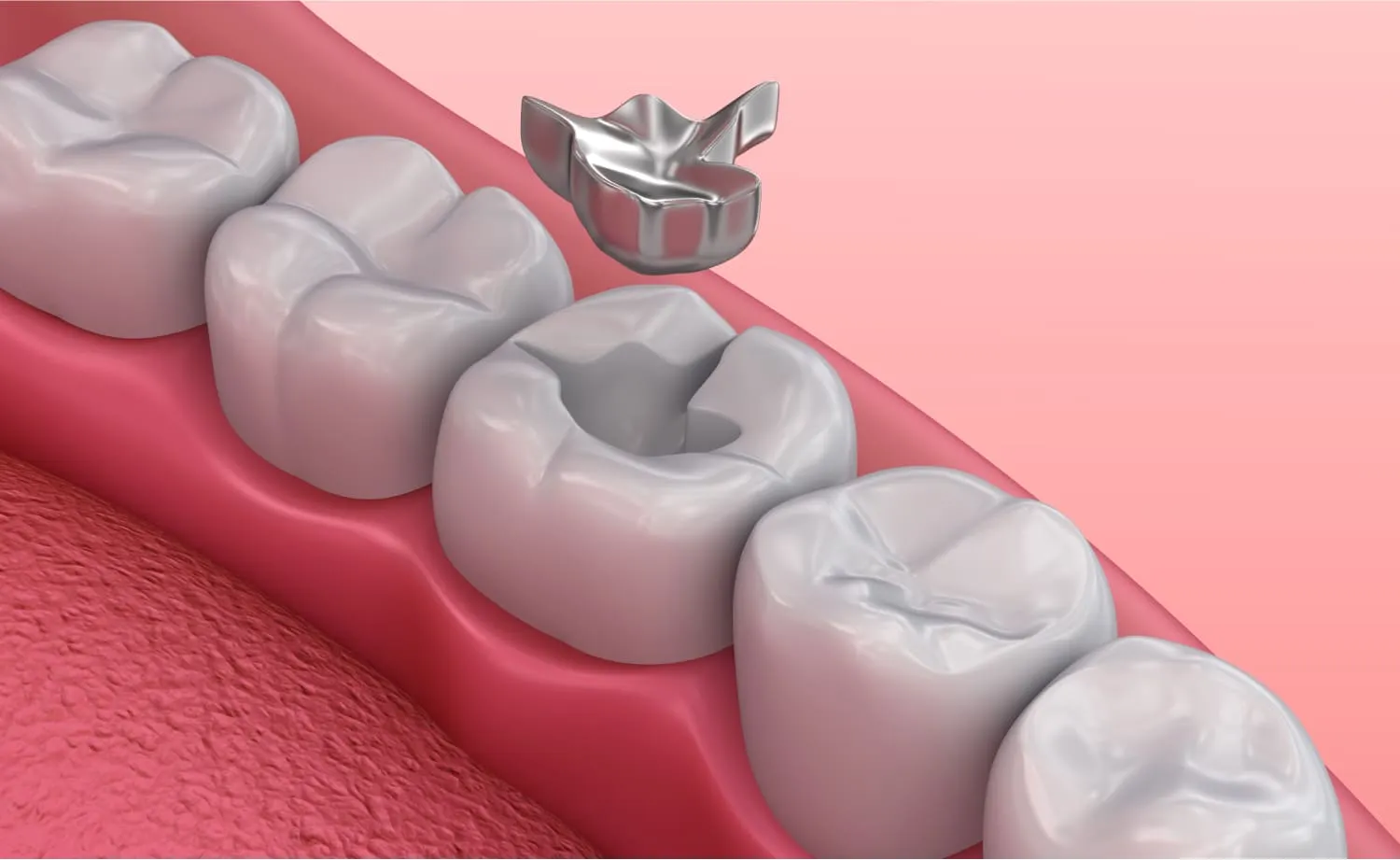
Inlays and onlays are dental restorations used to repair decayed or damaged teeth. They are often referred to as indirect fillings because they are fabricated outside the mouth and then bonded to the tooth, offering a precise and durable repair.
Inlays fit within the contours of the biting surface of a tooth, filling the space between the cusps. They are used when the damage is contained within the indented top surface of the tooth.
Onlays extend over one or more cusps of the damaged tooth, providing more extensive coverage. Sometimes called partial crowns, onlays are ideal when the damage is too extensive for a filling but does not require a full crown.
Advantages Of Inlays And Onlays
Tooth Preservation
Inlays and onlays conserve more natural tooth structure compared to full crowns, keeping your teeth stronger and healthier.
Superior Durability
Made from high-quality porcelain or composite materials, they are extremely durable and can last for many years with proper care.
Natural Appearance
Custom color-matched to blend seamlessly with your natural teeth, providing an invisible restoration that enhances your smile.
Precise Fit
Fabricated in a dental laboratory for an exact fit, reducing the risk of further decay and providing a tight seal against bacteria.
Is This Restoration Right For You?
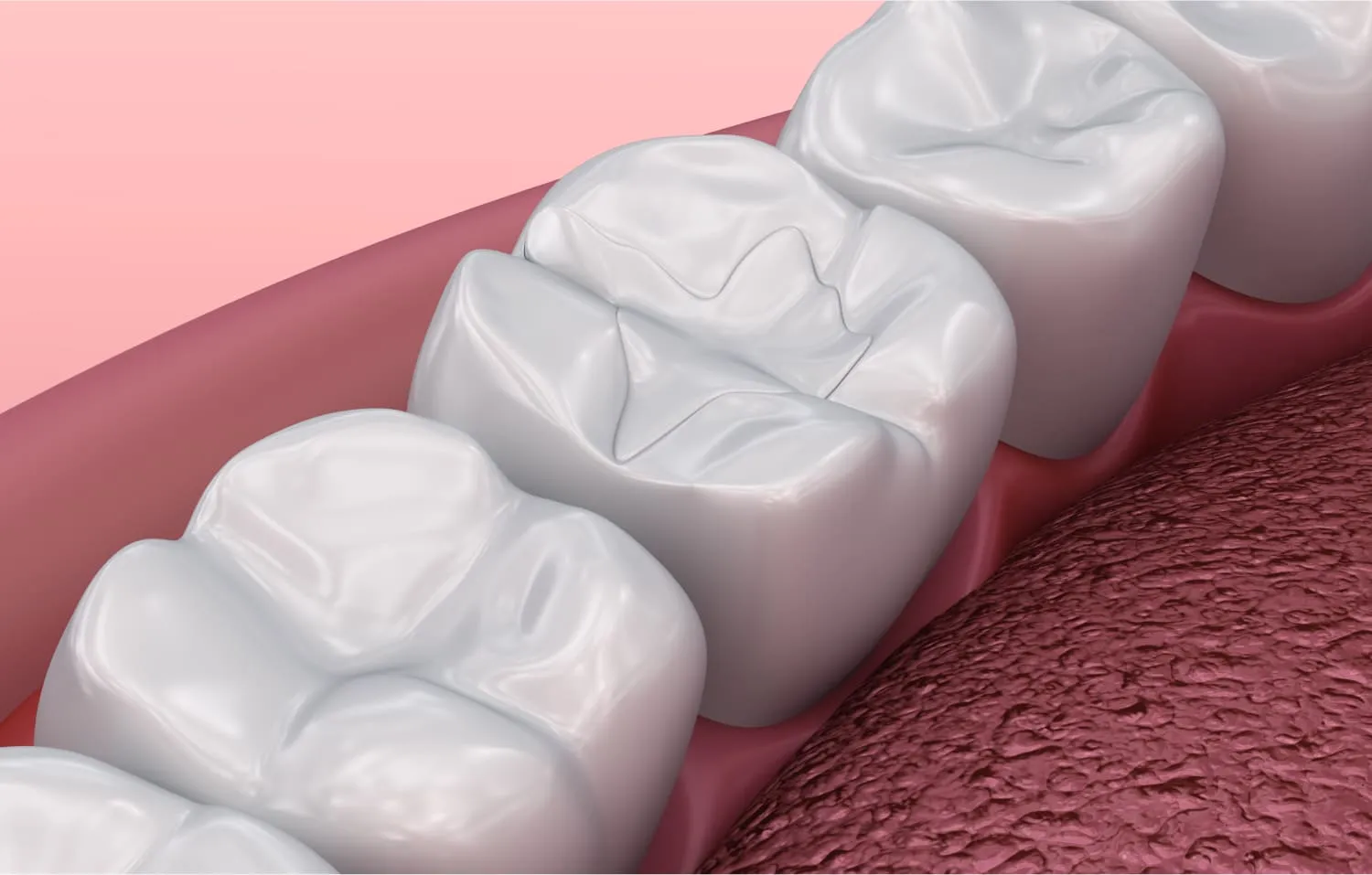
Inlays and onlays may be the ideal restoration for you if you have a tooth with moderate decay or damage that is too extensive for a traditional filling but does not yet require a full crown. They are particularly well-suited for:
- Teeth with large cavities on the biting surface
- Cracked or fractured teeth that are still structurally sound
- Replacement of old, failing metal fillings
- Patients who prefer a conservative approach to restoration
During your consultation, Dr. Julia Lee will thoroughly evaluate your tooth and discuss whether an inlay or onlay is the best option for your specific situation.
Book NowFrequently Asked Questions
What is the difference between an inlay and an onlay?
An inlay repairs damage that is confined to the biting surface between the cusps of a tooth, much like a precisely fitted filling. An onlay, sometimes called a partial crown, extends over one or more of the tooth's cusps and is used when the damage is more extensive. Dr. Julia Lee will recommend the most appropriate restoration based on the size and location of the affected area.
How long do inlays and onlays last?
Porcelain and composite inlays and onlays are highly durable and can last 10 to 30 years with proper care. Their longevity depends on your oral hygiene habits, the forces placed on the restoration, and attendance at regular dental checkups for monitoring.
Are inlays and onlays better than fillings?
Inlays and onlays are a preferred option when tooth damage is too extensive for a regular filling but does not require a full crown. They preserve more natural tooth structure than a crown, provide a more precise fit than a direct filling, and are fabricated from materials that are stronger and more stain-resistant than composite resin.
How many appointments are needed for an inlay or onlay?
Traditional inlays and onlays typically require two appointments. During the first visit, Dr. Julia Lee prepares the tooth and takes impressions, which are sent to a dental laboratory. A temporary restoration is placed while your custom inlay or onlay is being fabricated. At the second visit, the finished restoration is bonded permanently to your tooth.
Is the procedure for an inlay or onlay painful?
Local anesthesia is used during the preparation appointment to ensure you are comfortable. Most patients experience little to no discomfort during the procedure. After the anesthesia wears off, mild sensitivity around the treated tooth may occur for a short time and can be managed with over-the-counter pain relievers.
Visit Our Friendly Office!
We look forward to welcoming you and helping you achieve the smile of your dreams.